

Studying in Canada provides a high-quality education, vibrant multicultural environment, and excellent opportunities for personal and professional growth. Here are complete details about studying in Canada:
Overview: Canada is known for its world-class education system, diverse culture, and welcoming environment for international students. It is the second-largest country in the world by land area and offers a wide range of study destinations, from bustling cities to picturesque towns.
Canadian universities and colleges are renowned for their academic excellence, research opportunities, and industry connections.
Admissions and Entry Requirements: Admission requirements vary between institutions and programs. Generally, international students are required to provide their academic transcripts, English language proficiency test scores (such as IELTS or TOEFL), letters of recommendation, and a statement of purpose.
Each university or college sets its own entry requirements, so it's important to check with individual institutions for specific details.
Programs and Degrees: Canadian institutions offer a diverse range of programs and degrees at the undergraduate (Bachelor's), postgraduate (Master's), and doctoral (Ph.D.) levels.
Popular fields of study include engineering, computer science, business administration, health sciences, natural sciences, social sciences, arts, and humanities.
Canadian institutions also provide specialized programs, co-op/internship opportunities, and online/distance learning options.
Tuition Fees and Scholarships: Tuition fees in Canada are generally more affordable compared to other popular study destinations. However, costs vary depending on the institution, program, and level of study.
On average, international students can expect to pay between CAD 15,000 and CAD 35,000 per year for undergraduate programs. Postgraduate programs may have higher fees.
Scholarships, grants, and bursaries are available for international students. These can be offered by institutions, government bodies, or external organizations. Students should research and apply for relevant scholarships to help with their finances.
Living Costs and Accommodation: In addition to tuition fees, students should budget for living costs, including accommodation, food, transportation, and personal expenses.
The cost of living in Canada varies depending on the city or town. Major cities like Toronto and Vancouver tend to have higher living costs compared to smaller towns.
Accommodation options include university residences, off-campus rentals, homestays, or shared accommodations. Students should explore different options and consider their preferences and budgets.
Study Permit and Immigration: International students generally require a study permit to study in Canada. This permit is obtained through the Immigration, Refugees and Citizenship Canada (IRCC).
The study permit application process requires proof of acceptance from a recognized Canadian institution, evidence of financial support, and meeting health and security requirements.
It's advisable to visit the official IRCC website or consult with the institution's international student office for the latest visa requirements and application process.
Student Support and Facilities: International students generally require a study permit to study in Canada. This permit is obtained through the Immigration, Refugees and Citizenship Canada (IRCC).
Canadian institutions provide comprehensive support services and facilities to enhance the student experience. These can include libraries, research centers, sports facilities, counseling services, career development offices, and student clubs and organizations.
International student offices offer guidance on immigration, health insurance, housing, and cultural adaptation.
Post-Study Opportunities: Canada offers various post-study work opportunities for international graduates. The Post-Graduation Work Permit (PGWP) allows eligible students to work in Canada for up to three years after completing their studies.
Canadian work experience gained through the PGWP can enhance the prospects of obtaining permanent residency or pursuing a long-term career in Canada.
The Canadian job market offers opportunities across different sectors, including technology.

Northern Alberta Institute of Technology
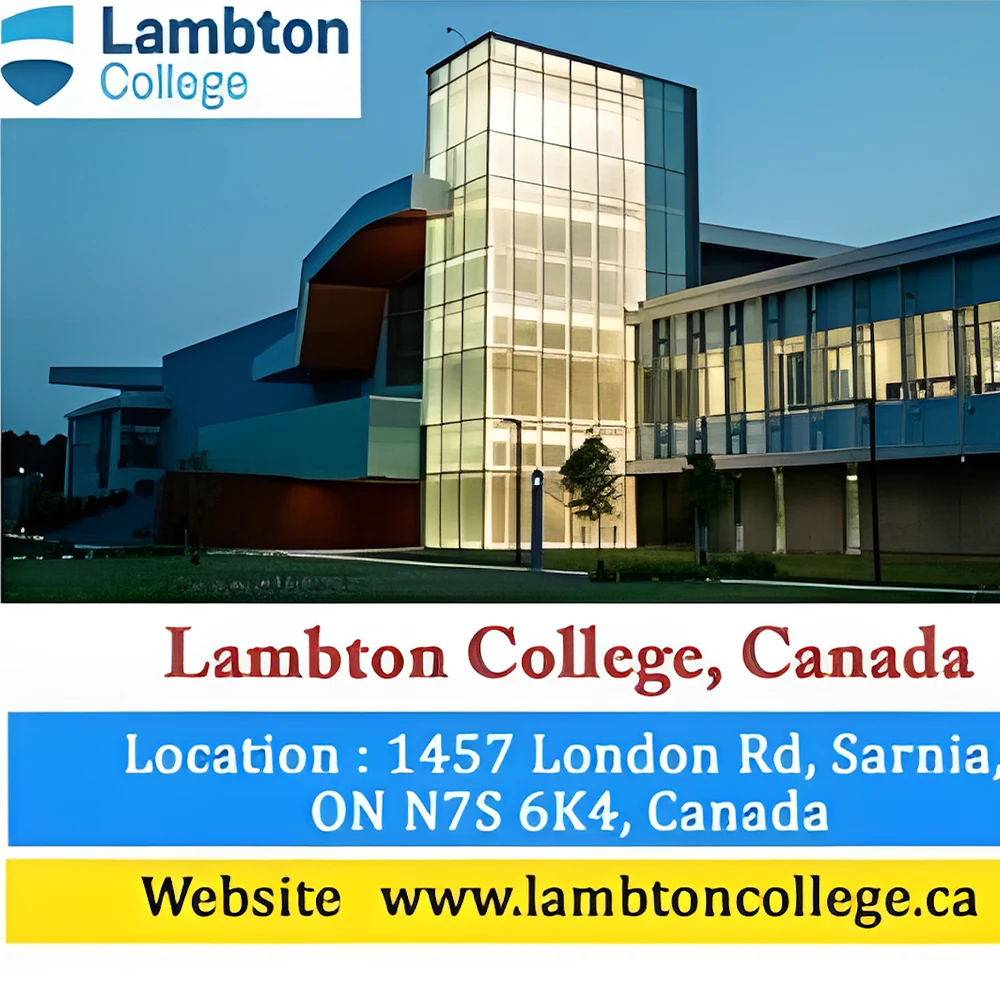
Lambton College
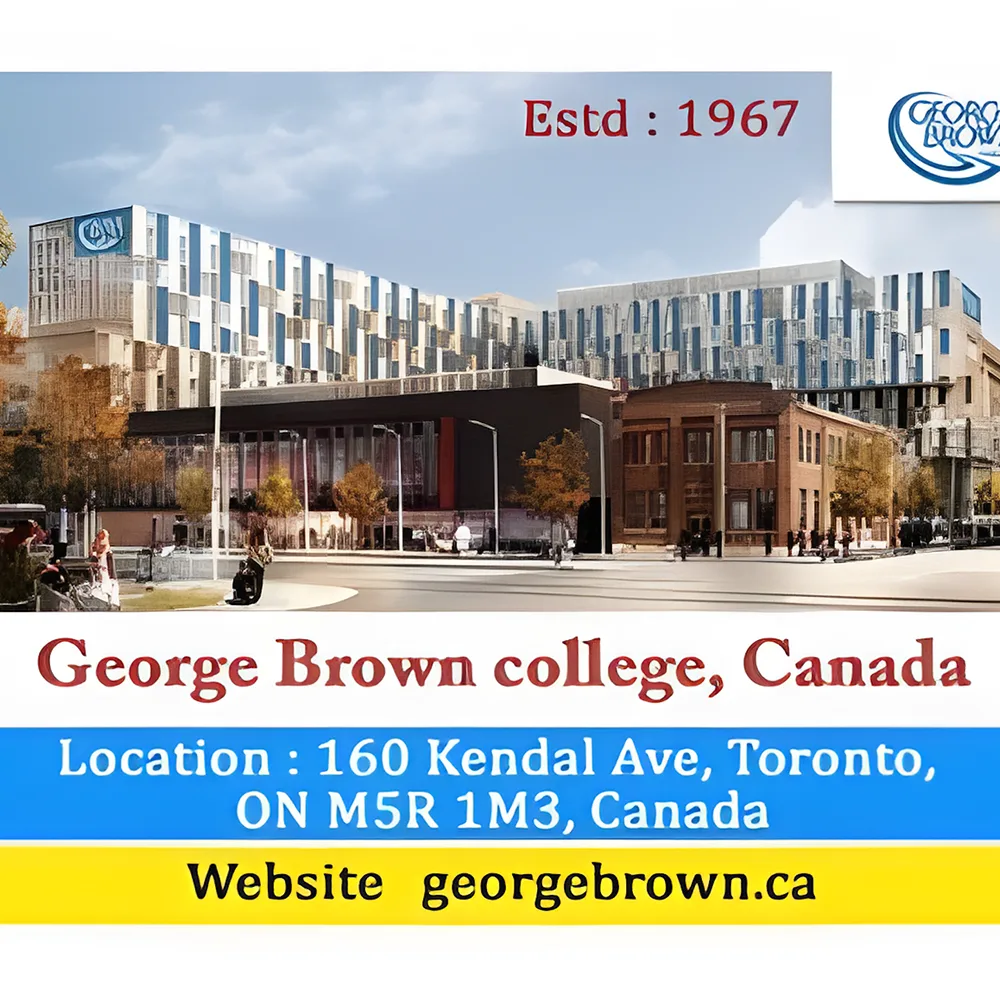
George Brown College
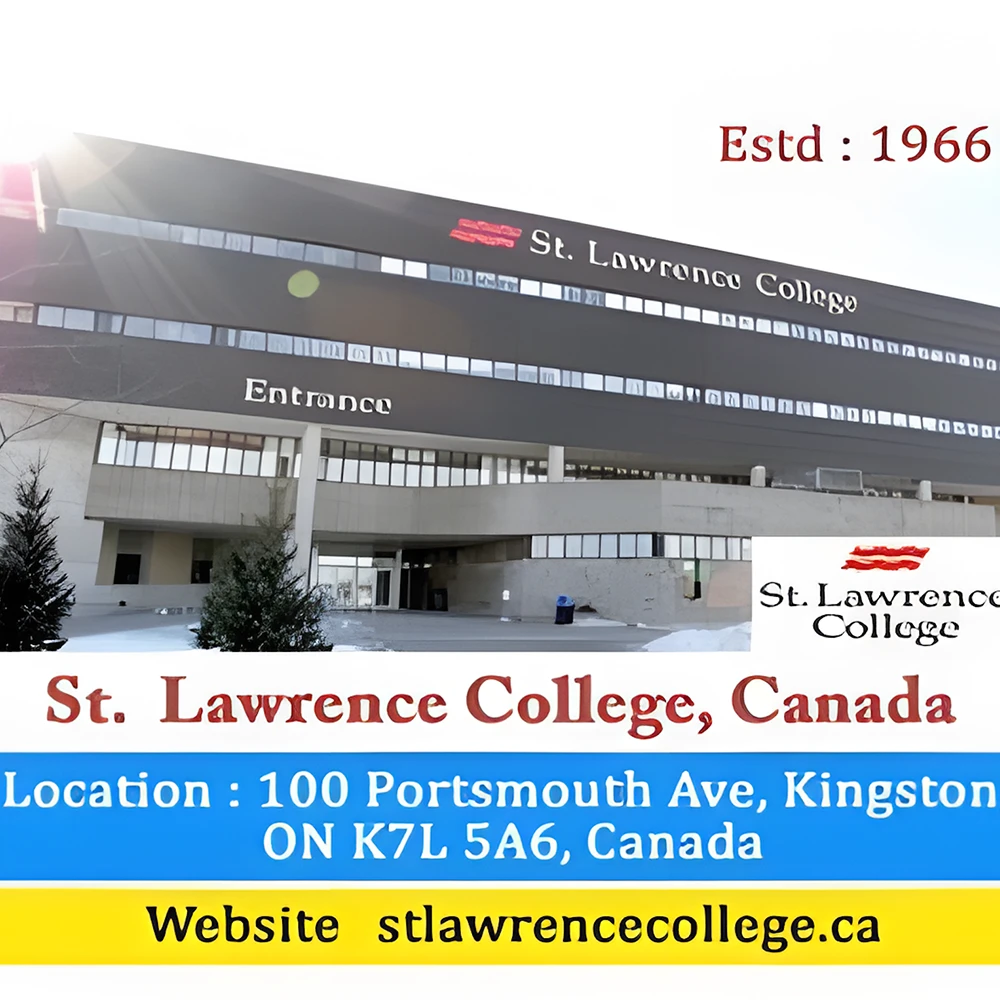
St. Lawrence College

University of Alberta

Sheridan College

Selkirk College


 Let's Chat!