

Studying in China can be a transformative experience, as the country is known for its rich history, vibrant culture, and world-class educational institutions. Here are complete details about studying in China:
Higher Education System: China boasts a vast higher education system, offering a wide range of programs at universities, colleges, and vocational institutions. The country is home to some prestigious institutions known for their academic excellence and research contributions.
Admission Requirements: To study in China as an international student, you generally need to meet the following requirements:
Academic Qualifications: You should have completed the equivalent of 12 years of schooling for undergraduate programs and hold a high school diploma or its equivalent. For postgraduate programs, you typically need a bachelor's degree or its equivalent.
Language Proficiency: Most universities in China offer programs taught in Chinese, so proficiency in the Chinese language (Mandarin) is usually required. Some universities also offer programs taught in English, for which you may need to provide proof of English language proficiency through tests like IELTS or TOEFL.
Application Process: You need to submit a completed application form along with required documents, including academic transcripts, certificates, a valid passport, passport-sized photographs, a personal statement or essay, letters of recommendation, and any specific documents requested by the university. Some universities may require you to take an entrance examination or an interview as part of the application process.
Visa Requirements: International students require a student visa (X1 or X2) to study in China. You should apply for a student visa at the nearest Chinese embassy or consulate in your home country. The specific visa requirements and application process may vary, so it's important to contact the embassy for detailed information.
Popular Study Programs: China offers a wide range of study programs across various disciplines. Some popular areas of study include:
Tuition Fees and Scholarships: Tuition fees in Chinese universities vary depending on the institution, program, and level of study. Public universities generally have lower fees compared to private universities. The fees for international students are often higher than those for domestic students. However, China also offers scholarship opportunities for international students, including the Chinese Government Scholarship (CSC) and various scholarships provided by individual universities and external funding agencies. It's advisable to research and contact the universities directly to inquire about scholarships and financial aid options.
Living Costs: The cost of living in China can vary depending on the city or region you choose to study in. Major cities like Beijing and Shanghai tend to have higher living costs compared to smaller cities. The major expenses include accommodation, transportation, food, and personal expenses. It's important to budget accordingly and consider the cost of living when planning your studies in China.
Student Life and Culture: China offers a rich cultural experience, with a blend of traditional and modern influences. Chinese universities often have vibrant student communities and provide various opportunities for extracurricular activities, cultural events, sports, and student clubs. Students can participate in traditional arts, music, martial arts, and explore Chinese festivals and customs.The cost of living in China can vary depending on the city or region you choose to study in. Major cities like Beijing and Shanghai tend to have higher living costs compared to smaller cities. The major expenses include accommodation, transportation, food, and personal expenses. It's important to budget accordingly and consider the cost of living when planning your studies in China.
Safety and Security: China is generally a safe country, but it's important to take necessary precautions and be aware of your surroundings. It's advisable to follow any travel advisories issued by your home country and to maintain contact with your institution's international student services for guidance and support.
It's recommended to research specific universities and their programs, as well as reach out to their admission offices or international student services for the most accurate and up-to-date information on studying in China.
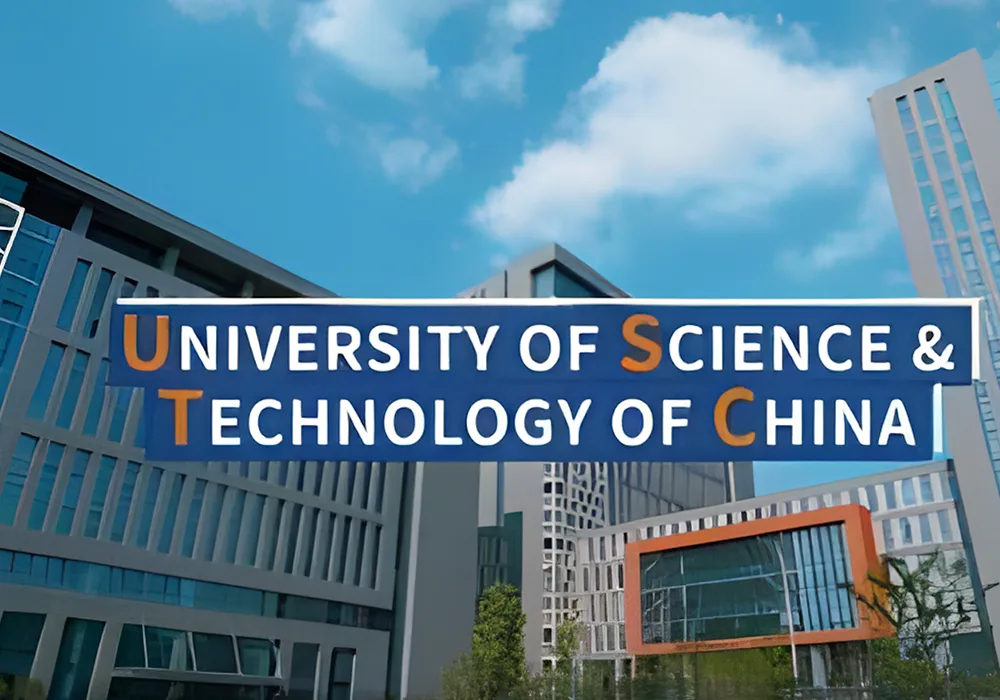
University of Science & Technology of China

Fudan University
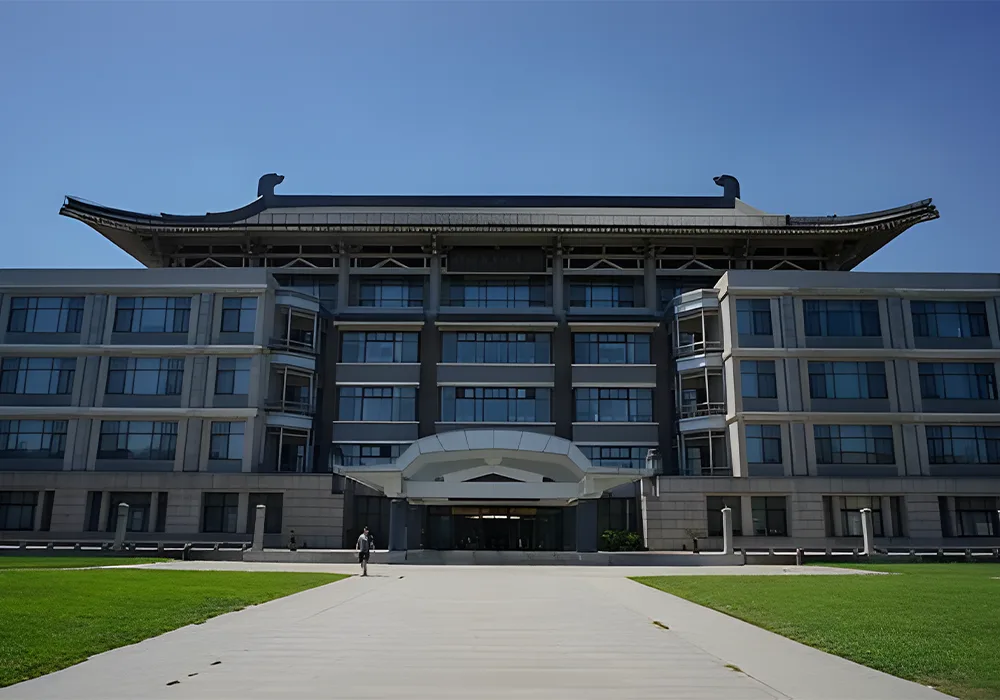
Peking University
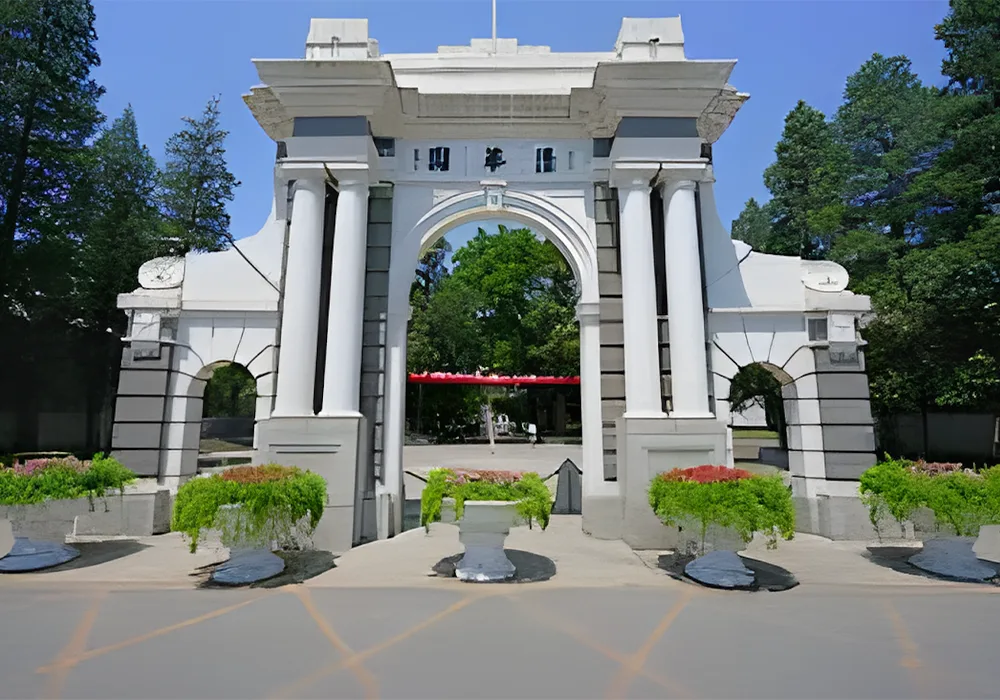
Tsinghua University


 Let's Chat!