
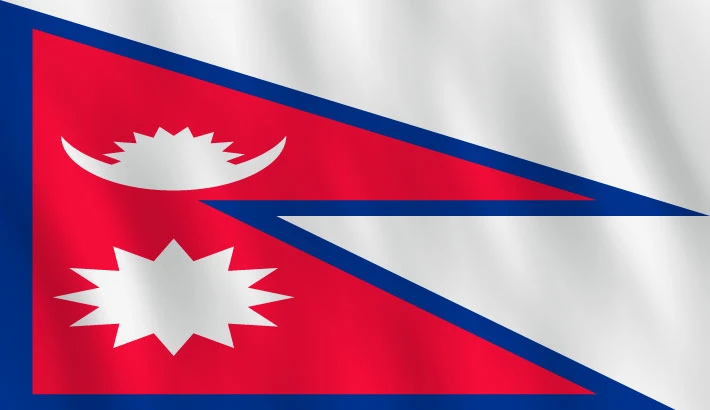
Studying in Nepal can be a unique and enriching experience, as the country offers a diverse cultural heritage, stunning landscapes, and a growing educational sector. Here are some complete details about studying in Nepal:
Higher Education System: Nepal's higher education system consists of universities, colleges, and institutions that offer a range of undergraduate, postgraduate, and doctoral programs. The Tribhuvan University, established in 1959, is the oldest and largest university in Nepal, but there are also other universities and colleges offering quality education.
Admission Requirements: To study in Nepal as an international student, you generally need to meet the following requirements
Academic Qualifications: You should have completed the equivalent of 12 years of schooling for undergraduate programs and hold a high school diploma or its equivalent. For postgraduate programs, you typically need a bachelor's degree or its equivalent.
Language Proficiency: Most universities and colleges in Nepal conduct classes in Nepali or English. Depending on the medium of instruction, you may need to provide proof of English language proficiency through tests like IELTS or TOEFL.
Application Process: You need to submit a completed application form along with required documents, including academic transcripts, certificates, a valid passport, passport-sized photographs, a statement of purpose, and letters of recommendation. Some institutions may require you to take an entrance examination or an interview as part of the application process.
Visa Requirements: International students require a student visa to study in Nepal. You should apply for a student visa at the nearest Nepali embassy or consulate in your home country. The specific visa requirements may vary, so it's important to contact the embassy for detailed information.
Popular Study Programs: Nepal offers a range of study programs in various fields. Some popular areas of study include:
Tuition Fees and Scholarships: Tuition fees in Nepal can vary depending on the institution, program, and level of study. Private institutions generally have higher fees compared to public institutions. The fees for international students are often higher than those for domestic students. However, Nepal also provides scholarship opportunities for international students through the Government of Nepal and various external funding agencies. It's advisable to research and contact the universities directly to inquire about scholarships and financial aid options.
Living Costs: The cost of living in Nepal is relatively affordable compared to many other countries. The major expenses include accommodation, transportation, food, and personal expenses. The cost of living can vary depending on the city or town you choose to live in.
Student Life and Culture: Nepal has a rich cultural heritage, and studying in the country provides opportunities to immerse yourself in Nepali traditions, festivals, and lifestyles. Nepali universities often have active student organizations and clubs that organize various extracurricular activities and events. Students can participate in sports, cultural performances, community service, and adventure activities like trekking in the Himalayas.
Safety and Security: Nepal is generally a safe country, but it's important to take necessary precautions and follow safety guidelines. It's advisable to stay updated on any travel advisories issued by your home country and to maintain contact with your institution's international student services for guidance and support.
It's recommended to research specific universities and their programs, as well as reach out to their admission offices or international student services for the most accurate and up-to-date information on studying in Nepal.
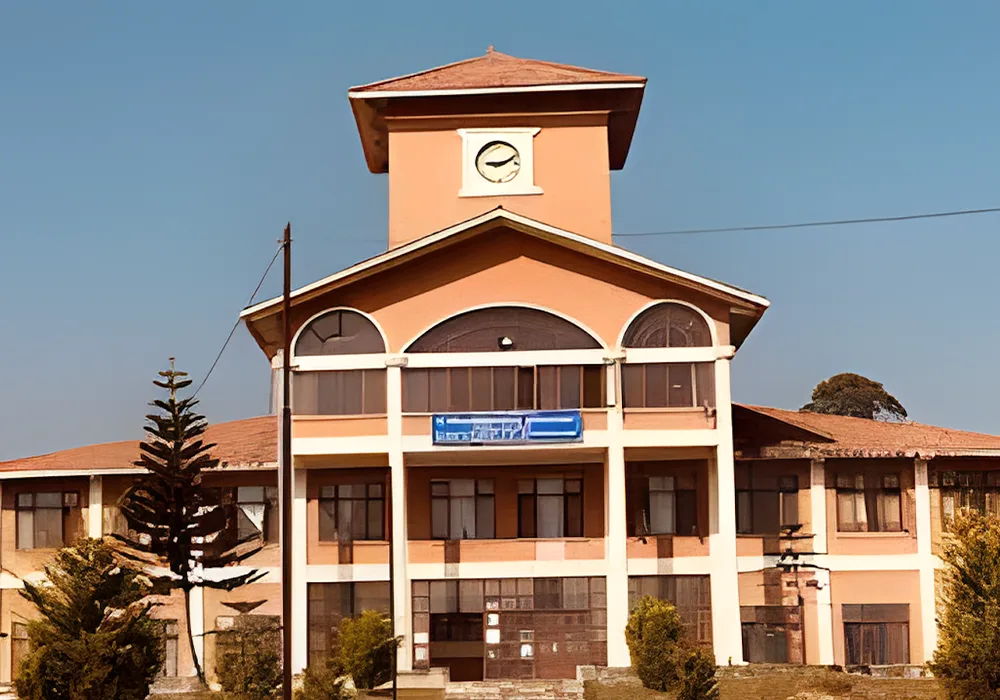
Tribhuvan University
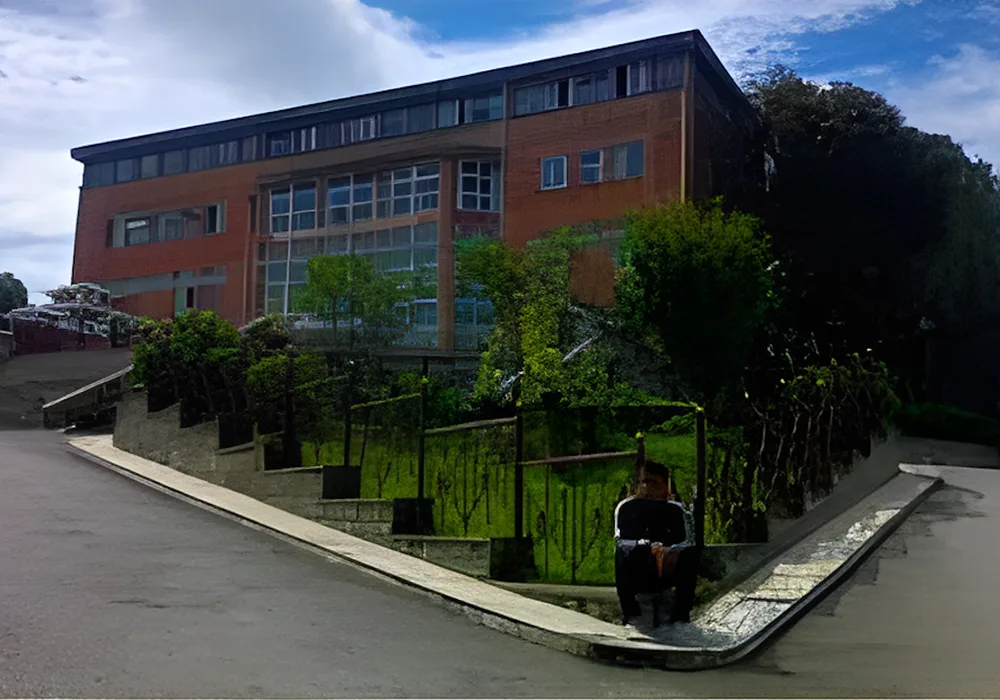
Kathmandu University
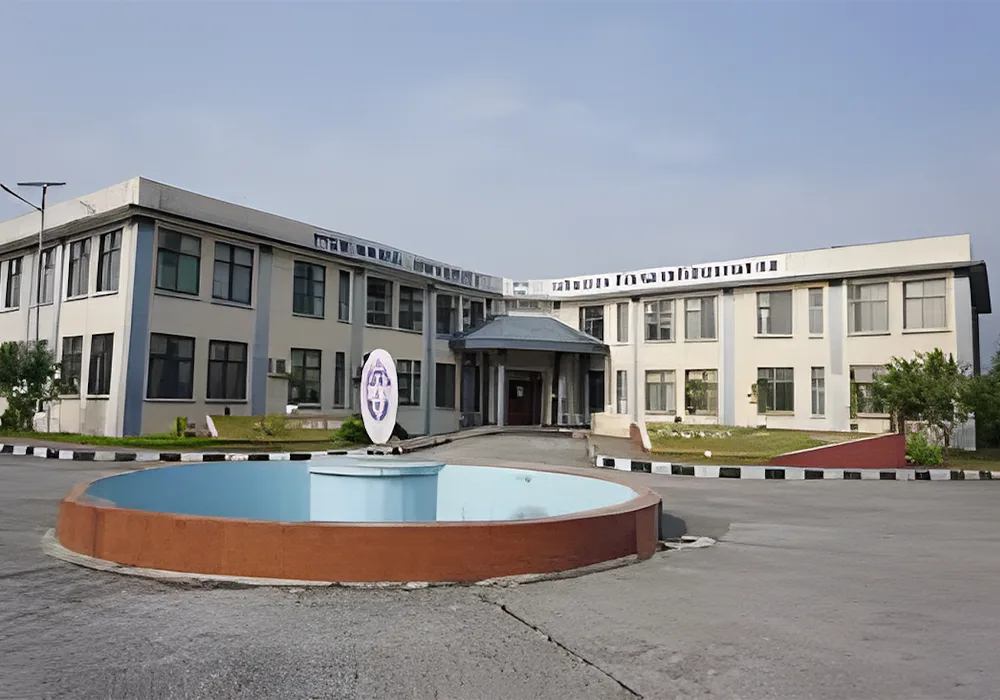
Pokhara University
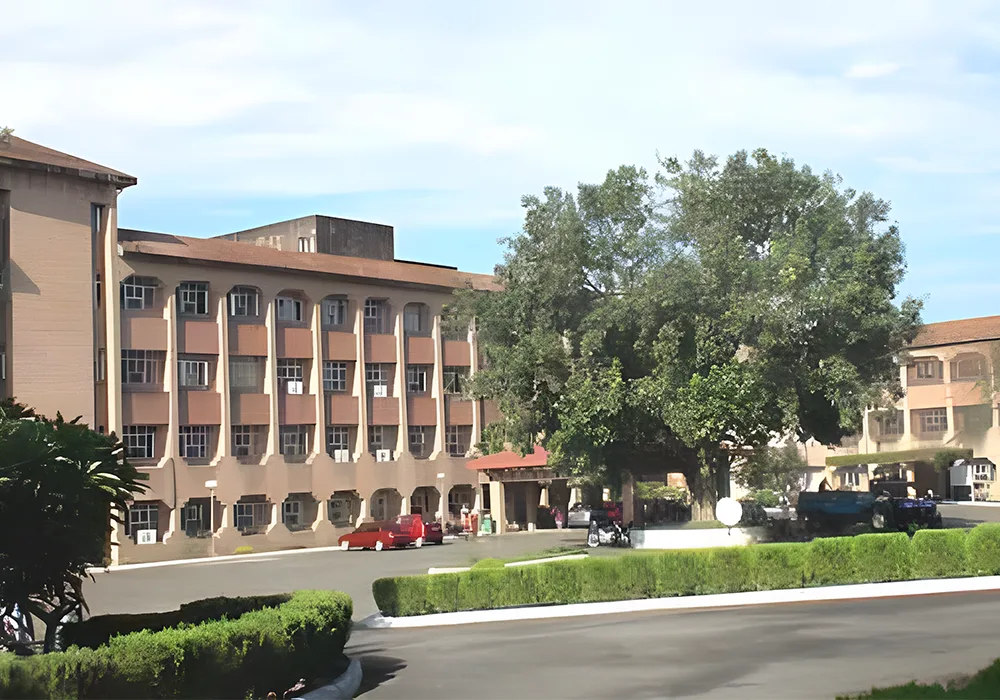
B.P Koirala Institute of Health Services
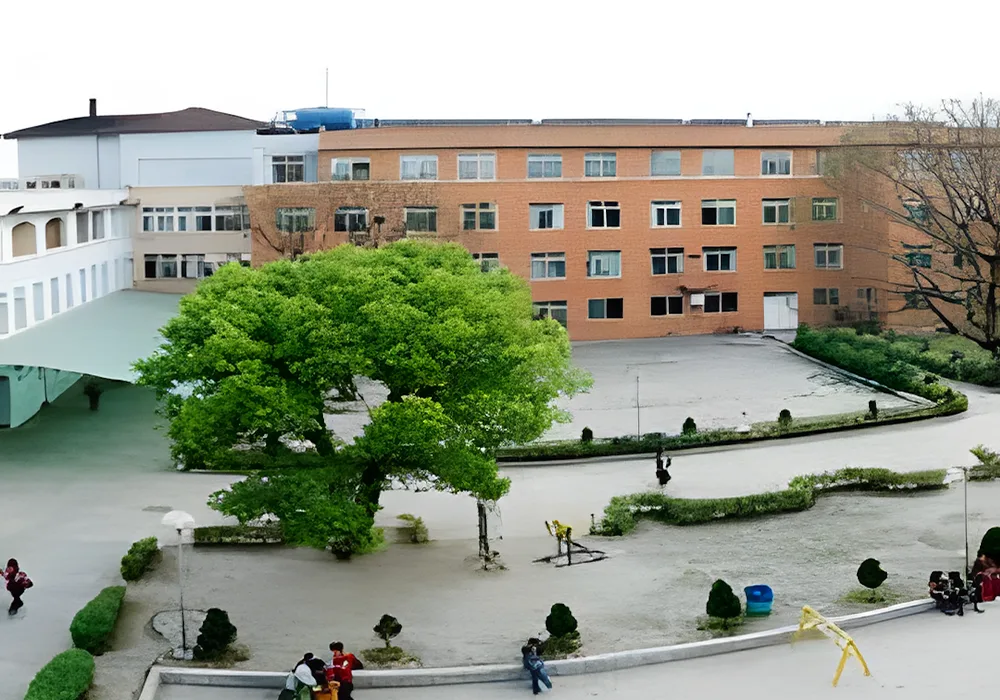
Patan Academy of Health Sciences
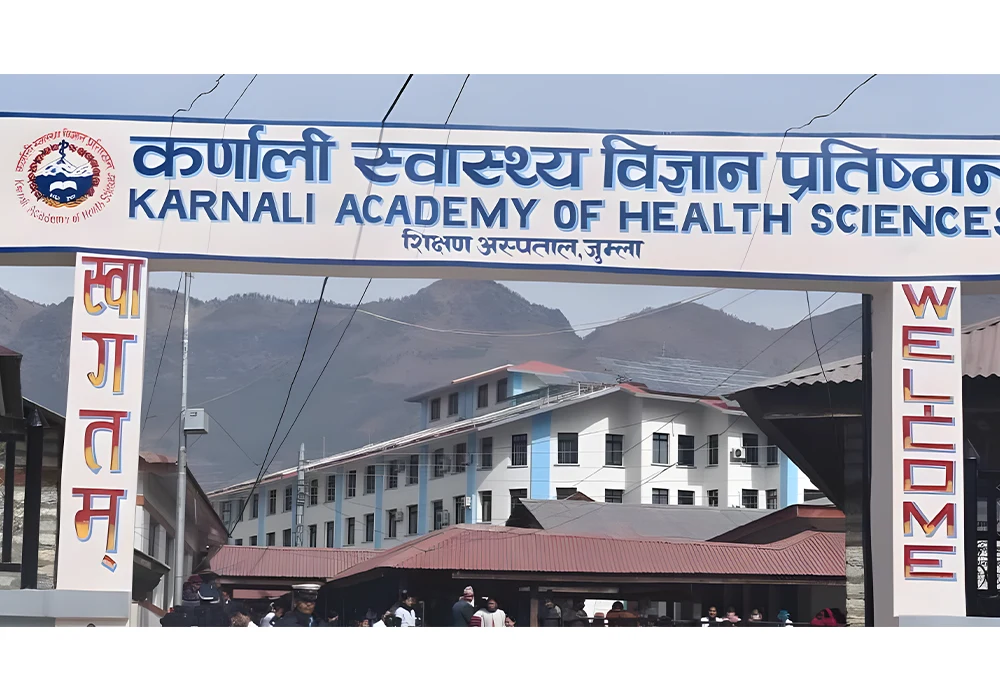
Karnali Academy of Health Sciences


 Let's Chat!